

3 Things Florida Title Insurance Catches That Most Inspections Miss
In Florida real estate, a home inspection and a title review do two very different jobs. An inspection looks at the physical condition of the property. Title work looks at the legal history tied to that property, including who owns it, what claims may exist against it, and whether anything in the public record could affect your rights after closing.
That distinction matters. A house can look perfectly sound while still carrying hidden title issues that create delays, extra costs, or serious closing problems. Below are three practical ways Florida title insurance and title review can catch problems that a physical inspection simply is not designed to find.

1. Liens and ownership problems that do not show up in a walkthrough
A buyer can tour a home, hire a strong inspector, and still have no idea whether the seller has clear ownership rights. That is because ownership defects live in documents, not drywall, roofing, or plumbing. Title review is designed to search public records for issues such as unpaid liens, unresolved judgments, probate complications, missing heirs, or prior transfers that were not handled correctly.
In Florida, these issues can surface in several ways. A contractor may have recorded a lien after unpaid work. A prior owner may have died, leaving estate questions that were never fully resolved. A divorce, trust transfer, or inherited property may create gaps in the chain of title. None of those problems would be visible during a physical inspection, yet any one of them can delay or derail a closing.
Title insurance matters here because it is tied to the legal status of ownership, not the condition of the structure. Before closing, the title process helps identify claims or defects that need to be cleared. That gives buyers and sellers a chance to address problems before money changes hands. In a market where timing matters, finding these issues early can prevent last-minute surprises.
For sellers, this is also a reminder that a smooth transaction often starts before the property goes live. If there is an old lien, a recording mistake, or an unresolved ownership question, it is usually better to discover it early than during the final days before closing.
2. Easements, access rights, and survey conflicts that affect how a property can be used
One of the most misunderstood parts of a real estate transaction is the difference between owning land and having unrestricted use of every part of it. In Florida, title review can uncover easements and recorded rights that affect access, utilities, drainage, shared driveways, or other uses of the property. A home inspection does not typically evaluate those legal rights.
An easement is not always a problem. Many are routine and expected. Utility easements, for example, are common. But some easements can materially affect how a buyer plans to use the property. A recorded access easement may allow others to cross part of the land. A drainage easement may limit where improvements can go. A shared-use agreement may affect fencing, parking, or future additions.
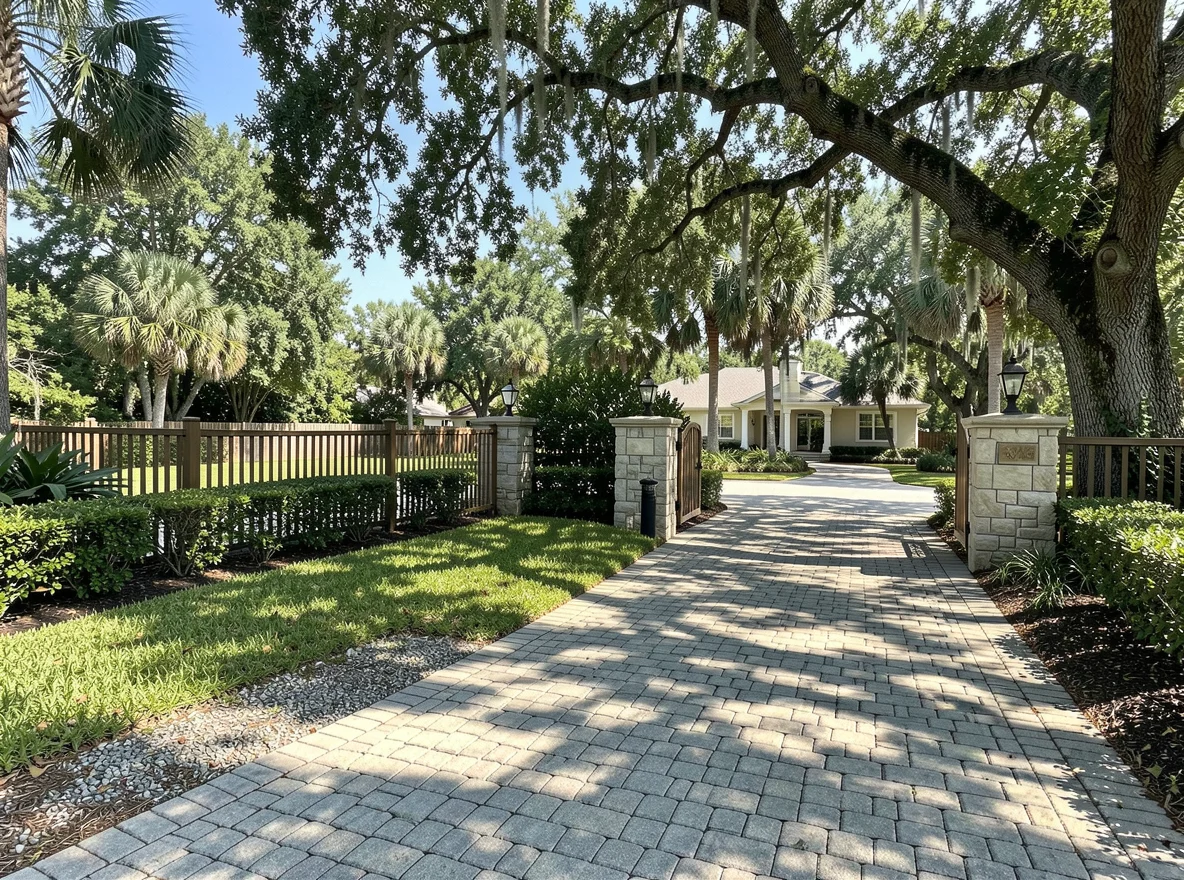
Survey inconsistencies can create similar problems. A buyer may assume a fence marks the true boundary, but the survey may show something different. A driveway may partially cross onto a neighboring parcel. An improvement may sit closer to a line than expected. In some cases, the legal description in the records and the physical layout on the ground do not line up as neatly as everyone assumed.
These are exactly the kinds of issues that can surprise buyers after closing if they are not identified during the title and survey process. The house itself may inspect well, but the legal and boundary picture may still need clarification. That is why title review and survey review work best as complementary parts of due diligence rather than substitutes for one another.
For Florida buyers, this is especially important when evaluating waterfront, older, inherited, or irregularly shaped properties, where access patterns and historical use do not always match modern expectations. Clear understanding upfront is far better than a dispute later.
3. Recording errors and boundary surprises that can become expensive later
Public records are essential, but they are still created and maintained by people. That means mistakes can happen. A legal description may contain an error. A prior deed may have been recorded incorrectly. A release may never have been filed. A mortgage satisfaction may be missing from the record even though the debt was paid. These are not structural defects, so an inspector would have no reason to catch them.
Title review is built to look for these inconsistencies. When a title professional examines the chain of title, they are looking for breaks, mismatches, unreleased encumbrances, and other irregularities that could affect marketable ownership. Even a small clerical issue can create a larger closing problem if it raises questions about who has rights in the property.
Boundary surprises can also emerge from the interaction between title documents and survey findings. A buyer may believe they are purchasing a certain strip of land because it has always been maintained with the yard. Later, a survey or legal review may show that the area is outside the parcel, subject to an easement, or overlaps with a neighboring claim. These situations are not always dramatic, but they can affect value, use, and resale confidence.

This is one reason experienced real estate professionals encourage buyers not to treat title work as a routine checkbox. It is a core part of understanding what is actually being conveyed. A property can be attractive, well maintained, and inspection-ready while still carrying legal complications that deserve careful review.
Why this matters in a Florida transaction
Florida transactions often involve homestead questions, inherited property, investor-owned homes, out-of-state sellers, HOA-related documents, and properties with long ownership histories. Each of those factors can add layers to the title picture. That does not mean problems are inevitable. It does mean buyers and sellers benefit from a process that looks beyond the visible condition of the home.
The practical takeaway is simple: inspections and title work are both important, but they answer different questions. An inspection asks, “What condition is the property in?” Title review asks, “Can this property be conveyed cleanly, and are there recorded issues that affect ownership or use?” A smart transaction respects both.
If you are preparing to buy or sell in Florida, our team can help you understand where title review fits into the broader transaction process and what questions to raise early. Clear expectations and strong professional guidance can make the path to closing much smoother.
Disclaimer: This article is for general educational purposes only and does not provide legal, title, or insurance advice for any specific transaction. Buyers and sellers should consult licensed Florida real estate, legal, title, and insurance professionals for guidance based on their particular property and contract.